Your Pregnancy Comfort Playbook: Week-by-Week Fixes for the Aches No One Warns You About
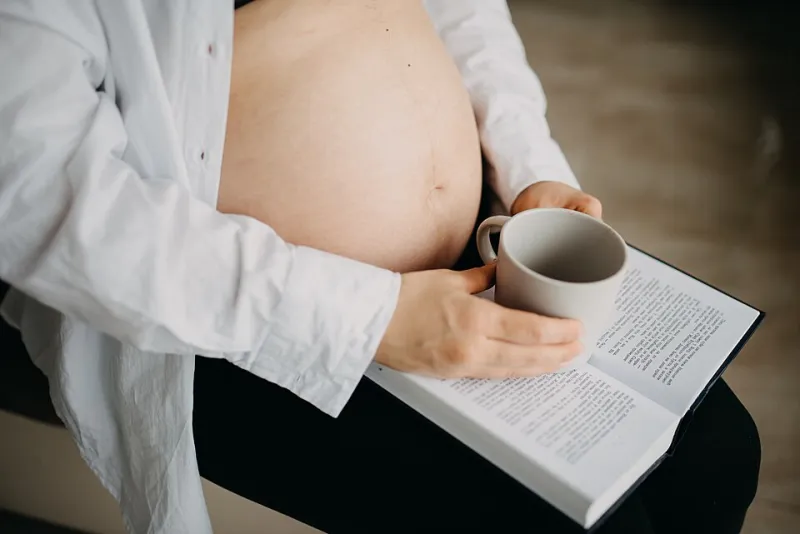
Photo: Shixart1985, CC BY 2.0, via Wikimedia Commons
Let's be honest: the pregnancy glow gets a lot more airtime than the 3 a.m. leg cramps, the heartburn that hits like a freight train after eating a single slice of toast, or the moment you realize rolling over in bed now requires a full-body strategy. Discomfort is a normal — if deeply annoying — part of growing a human. The good news? A lot of it is manageable, once you know what you're working with.
This isn't a list of symptoms to endure. Think of it as a troubleshooting guide — organized by trimester, focused on specific fixes, and designed to help you feel more like yourself even when your body is doing something completely unprecedented.
First Trimester: Surviving the Invisible Struggle (Weeks 1–13)
Nausea That Won't Quit
Morning sickness is a misleading name for something that can hit at any hour and linger for weeks. The underlying cause — rapidly rising hCG levels — is real, but so are the strategies that help.
Timing is everything. An empty stomach makes nausea significantly worse. Before you even sit up in the morning, eat a few plain crackers or dry cereal you've stashed on your nightstand. Keeping your blood sugar stable throughout the day with small, frequent meals (think every 90 minutes to two hours) can dramatically reduce the intensity of waves.
Cold and bland beats hot and fragrant. Hot foods release more odor, which is a major trigger when your sense of smell has gone into hyperdrive. Try room-temperature or chilled foods — cold pasta, cucumber slices, plain rice, smoothies — when cooked meals feel impossible.
Try acupressure. Sea-Band wristbands, which apply pressure to the P6 acupressure point on your inner wrist, have enough clinical support to be recommended by many OBs. They're inexpensive, drug-free, and available at most drugstores.
When to escalate: If you can't keep any fluids down for 24 hours or you're losing weight, call your provider. Hyperemesis gravidarum (HG) is a serious condition that requires medical treatment, not just ginger tea.
Exhaustion That Hits Like a Wall
First-trimester fatigue is driven by progesterone surges and the enormous metabolic work of early placenta development. It's not laziness — your body is building an organ from scratch.
The fix here is less about caffeine (keep it under 200mg/day) and more about working with your energy patterns. Identify your one or two productive hours and protect them. Take 20-minute naps if possible — longer ones can disrupt nighttime sleep. And don't underestimate the role of iron: low ferritin is extremely common in early pregnancy and dramatically worsens fatigue. Ask your provider to check your levels.
Second Trimester: The "Better" Trimester (That Still Has Its Moments)
Round Ligament Pain
That sharp, stabbing pain on one or both sides of your lower abdomen — often triggered by sneezing, laughing, or standing up too fast — is round ligament pain, and it can be startling if you don't know what it is.
Slow down your movements. The pain is caused by sudden stretching of the ligaments supporting your uterus. When you feel it coming on, try bending toward the pain slightly to reduce the stretch. When getting up from a seated or lying position, move slowly and deliberately.
A maternity support belt can be a game-changer. These wrap around your lower abdomen and pelvis, reducing the load on those ligaments during activity. Many pregnant people find them especially helpful during walks or longer periods of standing.
Backaches and Postural Shifts
As your center of gravity shifts forward, your lower back takes the hit. Your posture is changing whether you're aware of it or not.
Swap your sleep position now. Sleeping on your left side with a pillow between your knees reduces pressure on your spine and improves circulation to the placenta. You don't need a specialty pregnancy pillow (though they're wonderful) — a regular body pillow works fine. The goal is keeping your hips stacked and your spine neutral.
Prenatal yoga and swimming are consistently cited as two of the most effective ways to manage pregnancy back pain. Both strengthen the muscles that support your growing belly without high-impact stress on your joints. Many YMCAs and community fitness centers across the US offer prenatal-specific classes.
Third Trimester: The Home Stretch (and Everything That Comes With It)
Heartburn and Acid Reflux
Third-trimester heartburn is caused by two things working against you simultaneously: progesterone relaxing the valve between your esophagus and stomach, and your growing uterus physically compressing your digestive tract upward. It can be brutal.
Restructure your meals. Eat smaller portions more frequently rather than three full meals. Stop eating at least two to three hours before lying down. Elevate the head of your bed by a few inches using bed risers or a wedge pillow — gravity is your friend here.
Watch the triggers. Citrus, tomatoes, chocolate, spicy food, carbonated drinks, and coffee are the most common culprits. You don't necessarily have to eliminate all of them, but keep a quick mental log of what sets yours off.
Ask about safe antacids. Calcium carbonate antacids (like Tums) are generally considered safe in pregnancy and have the bonus of contributing to your daily calcium intake. Always confirm with your provider before adding anything new.
Swollen Ankles and Feet
Edema in the lower legs is nearly universal in the third trimester, especially in the summer or after long periods of standing. Your blood volume has increased by up to 50%, and fluid is redistributing into your tissues.
Elevate when you can. When sitting, prop your feet up above hip level. Even 20 minutes of elevation in the afternoon can make a noticeable difference by evening.
Move throughout the day. Counterintuitively, staying still makes swelling worse. Short walks, calf raises while standing at the kitchen counter, and ankle circles all help pump fluid back up toward your heart.
Compression socks are worth every penny. Look for 15–20 mmHg graduated compression socks and put them on before you get out of bed in the morning, before fluid has a chance to pool.
When to call your provider: Sudden, severe swelling in your face or hands, or swelling accompanied by headache or vision changes, can be a sign of preeclampsia. Don't wait — call immediately.
Sleep: The Final Boss
By week 36, getting comfortable in bed can feel like a puzzle with no solution. You can't lie on your back (it compresses the vena cava), your hips ache on your side, and bathroom trips are basically hourly.
The most effective setup most people find: left-side lying, with a pillow between the knees, one under the belly, and one supporting the lower back. A U-shaped body pillow (brands like Leachco Snoogle are popular in the US) can replace all three. Keep your bedroom cool — your body temperature runs higher during pregnancy, and heat disrupts sleep quality significantly.
Discomfort during pregnancy is real, but so is your capacity to manage it. Small, consistent adjustments — to how you eat, how you move, and how you sleep — add up to a genuinely more comfortable experience week by week. You don't have to white-knuckle your way through the next nine months.