Pregnancy Checkpoints: The Ones That Actually Have Deadlines vs. the Ones That Don't
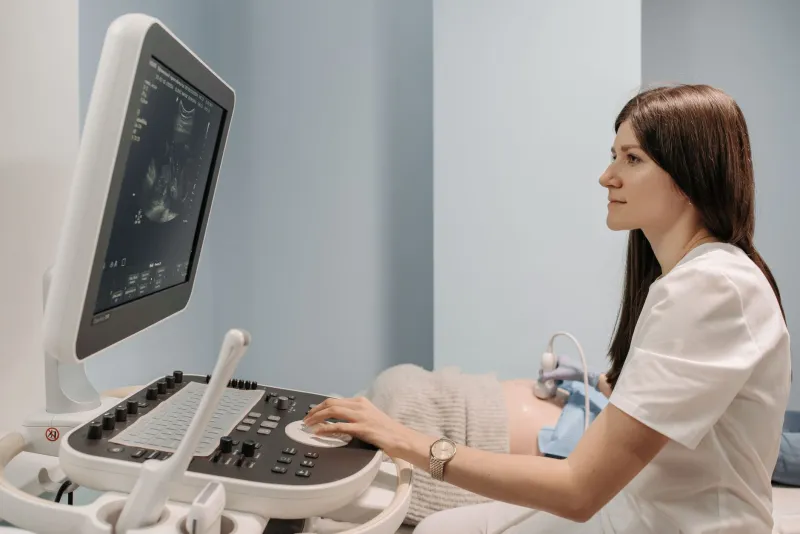
If you've spent any time in pregnancy forums, baby apps, or even just talking to other moms, you've probably felt it — that low-grade hum of anxiety that you're somehow already behind. Week 8 and you haven't booked your hospital tour yet? Week 12 and your nursery isn't painted? Breathe. Not everything on that mental checklist is as time-sensitive as it feels.
The truth is, pregnancy milestones fall into two very different buckets: the ones with actual biological or medical windows that close whether you're ready or not, and the ones that are more about cultural expectations, marketing, and well-meaning but pressure-y advice from people around you. Knowing which is which can genuinely change how you experience your pregnancy.
The Milestones That Have Real Deadlines
These are the checkpoints where timing isn't just a suggestion — missing the window means losing the option entirely, or significantly changing your care path.
First Trimester Genetic Screening (Weeks 10–13)
If you're considering first trimester screening — which includes the nuchal translucency ultrasound and the associated blood work — the window is narrow. The NT ultrasound needs to happen between 11 weeks 2 days and 13 weeks 6 days, measured by fetal crown-rump length. Cell-free DNA (cfDNA) screening, sometimes called NIPT, can technically be done from 10 weeks onward, but if you want those results before your anatomy scan or before making decisions about diagnostic testing, earlier is smarter.
This one genuinely requires a call to your OB or midwife early in the first trimester, not as a response to pressure, but because the biology doesn't wait.
CVS and Amniocentesis Windows
For those who want diagnostic (rather than screening) testing, chorionic villus sampling (CVS) is typically performed between weeks 10 and 13, while amniocentesis is usually done between weeks 15 and 20. These procedures give definitive chromosomal results rather than risk estimates. If diagnostic testing is something you're considering, this is a conversation to have with your provider before week 10 — not because you're obligated to do it, but because your decision timeline is real.
The Anatomy Scan (Around Week 18–20)
This mid-pregnancy ultrasound is one of the most medically significant appointments of your entire pregnancy. It's when your provider gets a detailed look at fetal anatomy — heart, brain, spine, kidneys, limbs — and checks placental position. While some flexibility exists (it can be done between 18 and 22 weeks in most practices), waiting too long can limit your options if something requires follow-up imaging or referral to a maternal-fetal medicine specialist.
This isn't a milestone you want to reschedule indefinitely.
Glucose Tolerance Test (Weeks 24–28)
The one-hour glucose challenge test for gestational diabetes screening happens in this four-week window for a reason: gestational diabetes typically develops in the second half of pregnancy, and catching it by week 28 gives your care team time to manage it before it affects fetal growth or delivery planning. If you're at higher risk, your provider may screen earlier — but for most people, this window is when it happens.
Missing it isn't catastrophic, but it does mean less time to intervene if your numbers come back elevated.
Group B Strep Testing (Weeks 35–37)
This vaginal and rectal swab checks for Group B Streptococcus bacteria, which can be passed to a baby during delivery and cause serious illness in newborns. Testing too early gives inaccurate results (GBS status can change), so this one is deliberately timed close to your due date. It's a quick, low-burden test — just don't accidentally skip it in the busy final stretch.
The Milestones That Are More Flexible Than You've Been Led to Believe
Here's where things get interesting — and where a lot of unnecessary stress lives.
Hospital or Birth Center Tours
Yes, you should tour before you deliver. No, you don't need to do it at 16 weeks. Most hospitals and birth centers run tours throughout pregnancy, and many now offer virtual options. Anytime in your second trimester or early third trimester works just fine.
Baby Showers and Registry Creation
The cultural pressure to have your registry done by a specific week is entirely manufactured. Baby gear companies and big-box retailers have a financial interest in getting you into their ecosystem early. A registry can be built in your third trimester. A shower can happen at 30 weeks or 36 weeks. Neither has a medical deadline.
Childbirth Education Classes
These are genuinely useful — but "you must sign up by week 20" is not a clinical guideline, it's a class enrollment policy. Most hospitals and independent instructors offer multiple session dates throughout the year. Aim to complete a class before week 36 so the information is fresh, but don't panic if you're starting at 28 weeks.
Choosing a Pediatrician
This one gets pushed early and often. The reality? You need a pediatrician lined up before your baby is born, yes — but you have until roughly 34–36 weeks to make that call. Interviewing pediatricians at 24 weeks is fine if you're organized and enjoy that kind of planning. Doing it at 32 weeks is also completely fine.
Nursery Setup
For the record: your baby will sleep in a bassinet or co-sleeper next to your bed for the first several months, per AAP safe sleep guidelines. The nursery is not urgent. It doesn't need to be done by any particular week. If finishing it brings you joy, go for it. If it stresses you out, deprioritize it without guilt.
How to Use This Information Without Tuning Out Completely
The goal here isn't to make you cavalier about prenatal care — it's the opposite. When you know which deadlines are real, you can direct your energy and attention where it actually matters instead of spreading anxiety thin across every item on a bloated to-do list.
A good rule of thumb: if missing the timing means losing a medical option or changing a clinical outcome, treat it like a deadline. If missing it means you'll do it a few weeks later with zero health consequence, treat it like a preference.
Talk to your OB or midwife about your specific situation, especially for the genetic testing windows — individual factors like age, family history, and prior pregnancies can shift what's recommended for you. But walking into those conversations knowing the difference between "this closes" and "this is flexible" means you're advocating for yourself rather than just checking boxes.
Your pregnancy is yours to navigate. Some of it is genuinely time-sensitive. A lot of it isn't. And now you know which is which.